
Atemi - The Foundations of Koryu Bujutsu
Jigoro Kano, developed Judo from Koryu Ju Jutsu systems, particularly Tenjin Shinyo-ryu, and Morehei Ueshiba developed Aikido from Daito-ryu Aiki-jujutsu. Both these systems were fundamentally based on attacking the anatomical weak points of the human body. Although both masters reduced the emphasis on anatomical targeting in their respective modern budo systems, although these areas are still studied, primarily by advanced grades in these arts, understanding how human anatomy works to break structure, use leverage and enhance strikes are a fundamental skill that formed the basis of the effectiveness of these arts for self-defence, largely lost in the development of sports based martial arts practices.
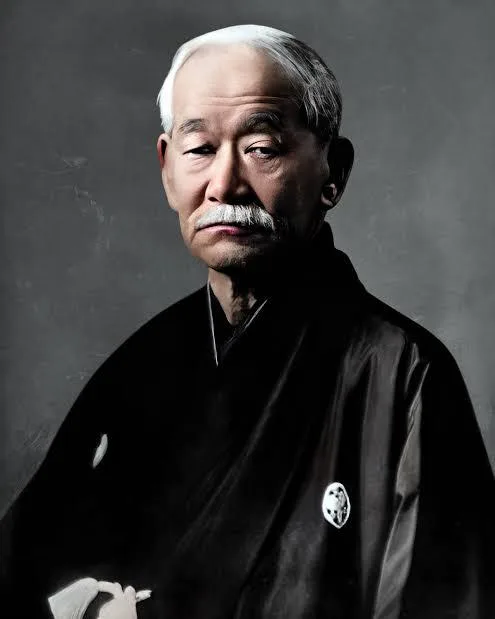
Jigoro Kano (1860-1938)
Jigoro Kano, in his 1931 unpublished work ‘Judo Kyohan,’ complied a chart of 12 vital points called kyusho or ate dokoro, and 23 atemi or body-striking techniques from Tenjin Shin’yo Ryu Ju Jitsu School to create the Kodokan atemi waza (body striking techniques).
Kano incorporated these striking techniques into kata, notably Kime no Kata and Itsutsu no Kata and introduced them alongside Kappo (Resuscitation) techniques.
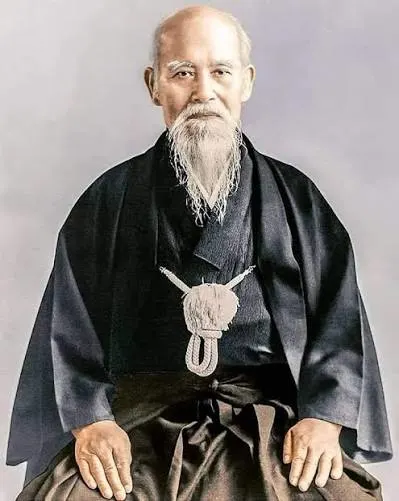
Morehei Ueshiba (1883-1969)
Morehei Ueshiba studied Daito-ryu Aiki Ju Jutsu under Sokaku Takeda from 1915, receiving a teaching certificate (kyoju dairi) in 1922.
The Daito Ryu system included a vast curriculum of techniques, including specific knowledge of kyusho points for striking, joint manipulation and nerve attacks. Specific, detailed lists of the vital points themselves are typically found within the technical scrolls (‘eimeiroku’ and ‘hiden okugi no koto’) of Daito Ryu, which Ueshiba received.